“The Hurt of War” is a thought-provoking visual art series that dives into the profound impact of the Russo-Ukrainian war. While the name is inspired by Sun Tzu’s classical book “The Art of War,” the project takes a different approach by focusing on the pain and devastation caused by armed conflicts rather than strategies for victory.
Through a series of artworks, “The Hurt of War” serves as a visual chronological notebook, capturing my personal impressions and emotional responses to the significant moments of the war.
The series presents a diverse range of scenes and narratives, portraying the raw realities of war and its aftermath.
On February 24, 2022, at 5 a.m., vladimir putin officially announced a “special operation” in Ukraine, marking the beginning of a full-scale invasion. russian forces intensely shelled Ukrainian military units, crossed northeastern borders, and launched missile strikes countrywide. Several Ukrainian cities, including the Chernobyl Nuclear Power Plant, were occupied.
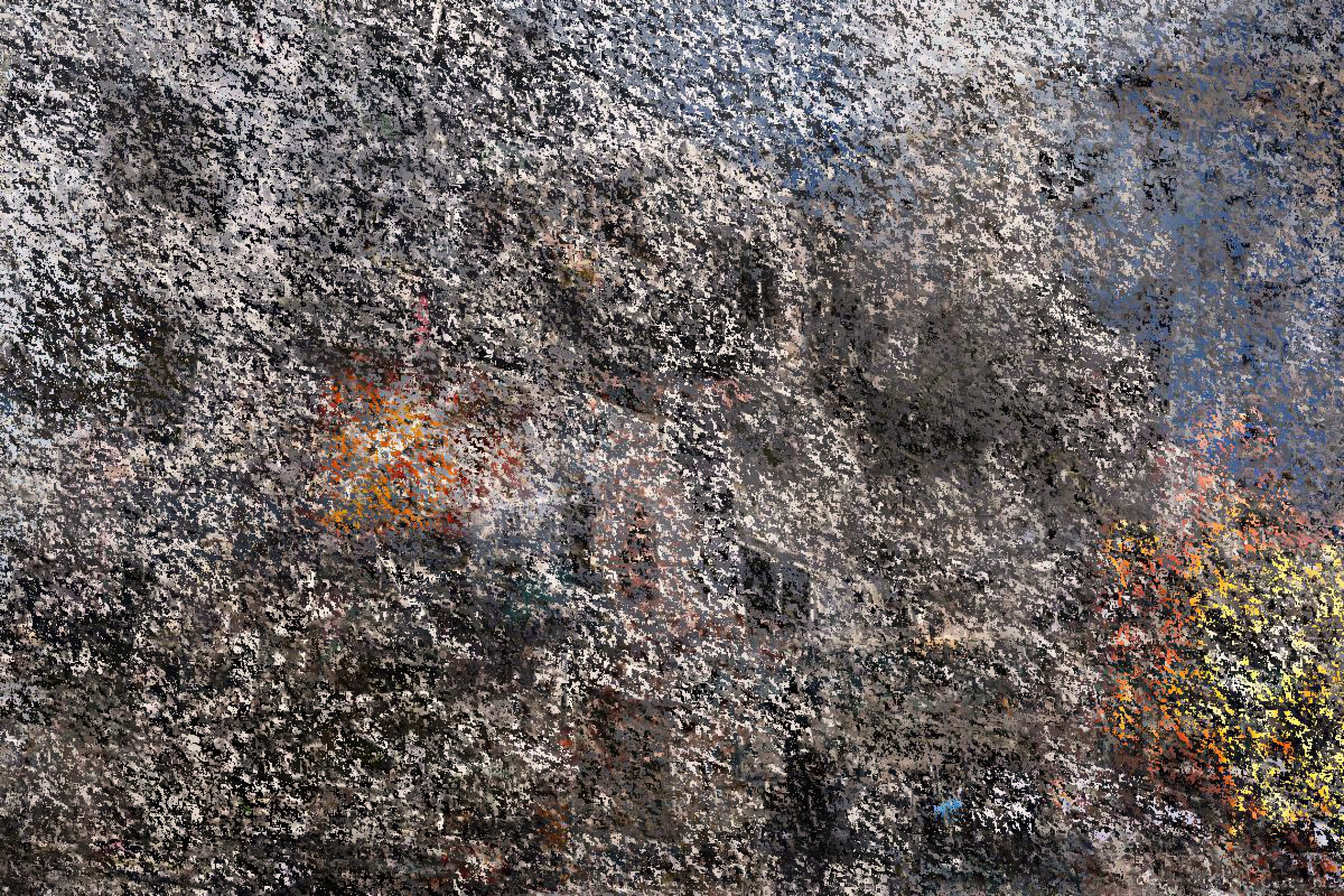
On February 24, 2022, millions of people worldwide gathered in protest against the russian invasion of Ukraine.

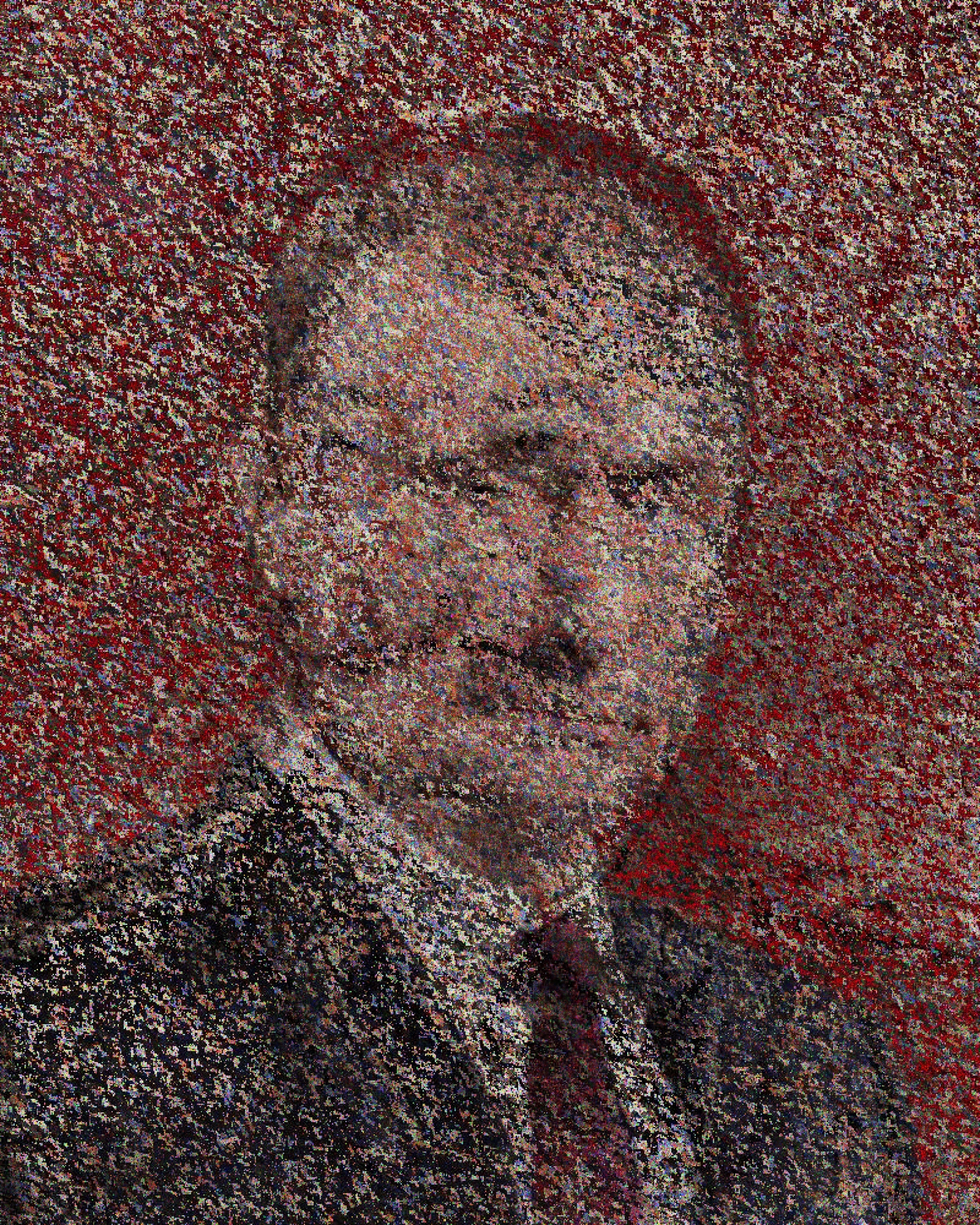
According to a poll conducted by Levada Center in 2022, 74% of russians supported the actions of russian army in Ukraine.

from Wikipedia
“The Center for Strategic and International Studies (CSIS) found that more russian soldiers died in the first year of the war in Ukraine than in all its other wars since World War II combined, an average 5,000 to 5,800 soldiers a month, vs 13,000 to 25,000 in Chechnya over 15 years and 14,000 to 16,000 in Afghanistan. Thus, the first year of the Ukraine war was 25 times deadlier than Chechnya and 35 times more so than Afghanistan.”
from Wikipedia
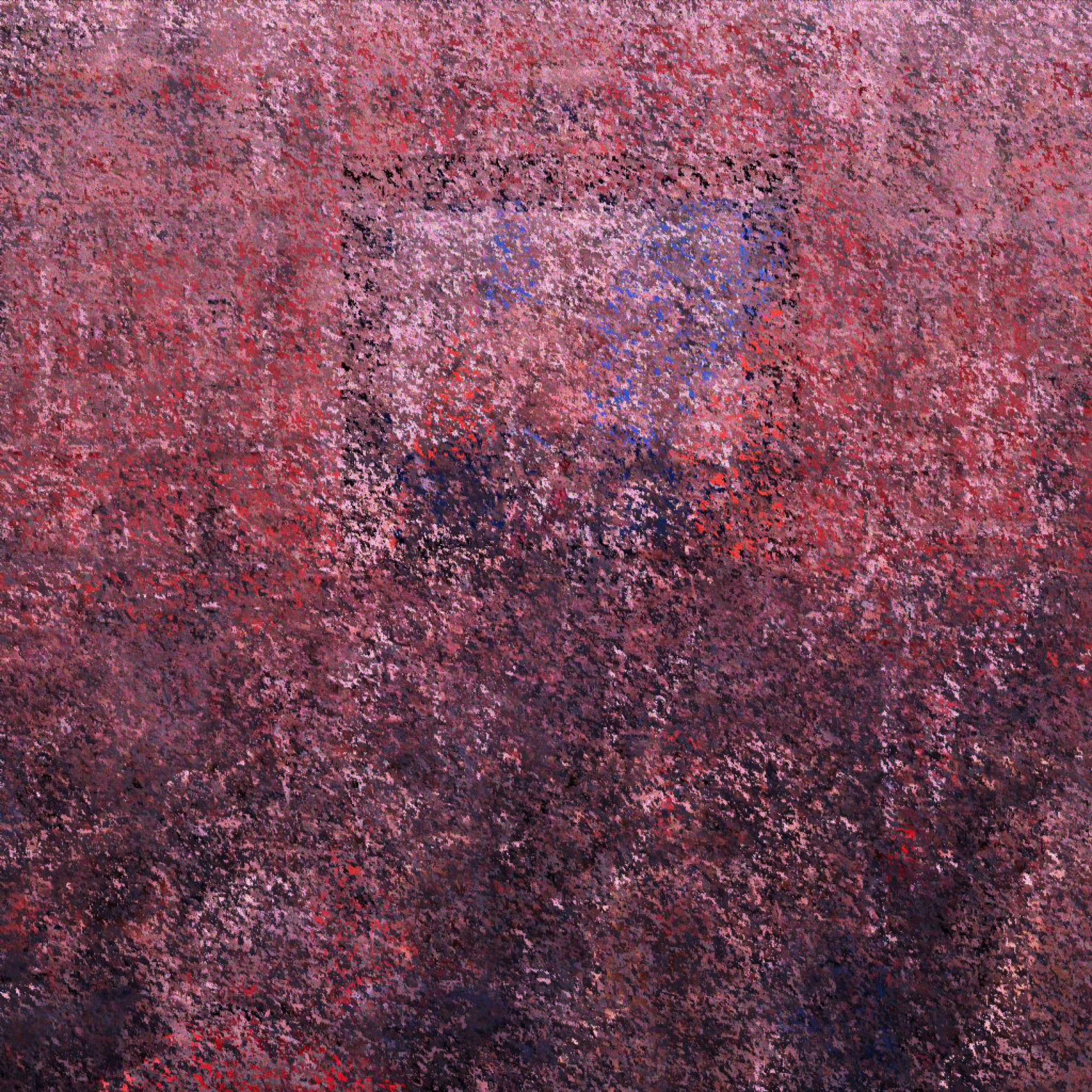
“Cargo 200 is a military code word used in the Soviet Union and the post-Soviet states referring to the transportation of military fatalities. Officially, the term Cargo 200 is military jargon to refer specifically to the corpses of soldiers contained in zinc-lined coffins for air transportation. Unofficially, Cargo 200 is used to refer to all bodies of the dead being transported away from the battlefield, and has also become a euphemism for irretrievable losses of manpower in a conflict.”

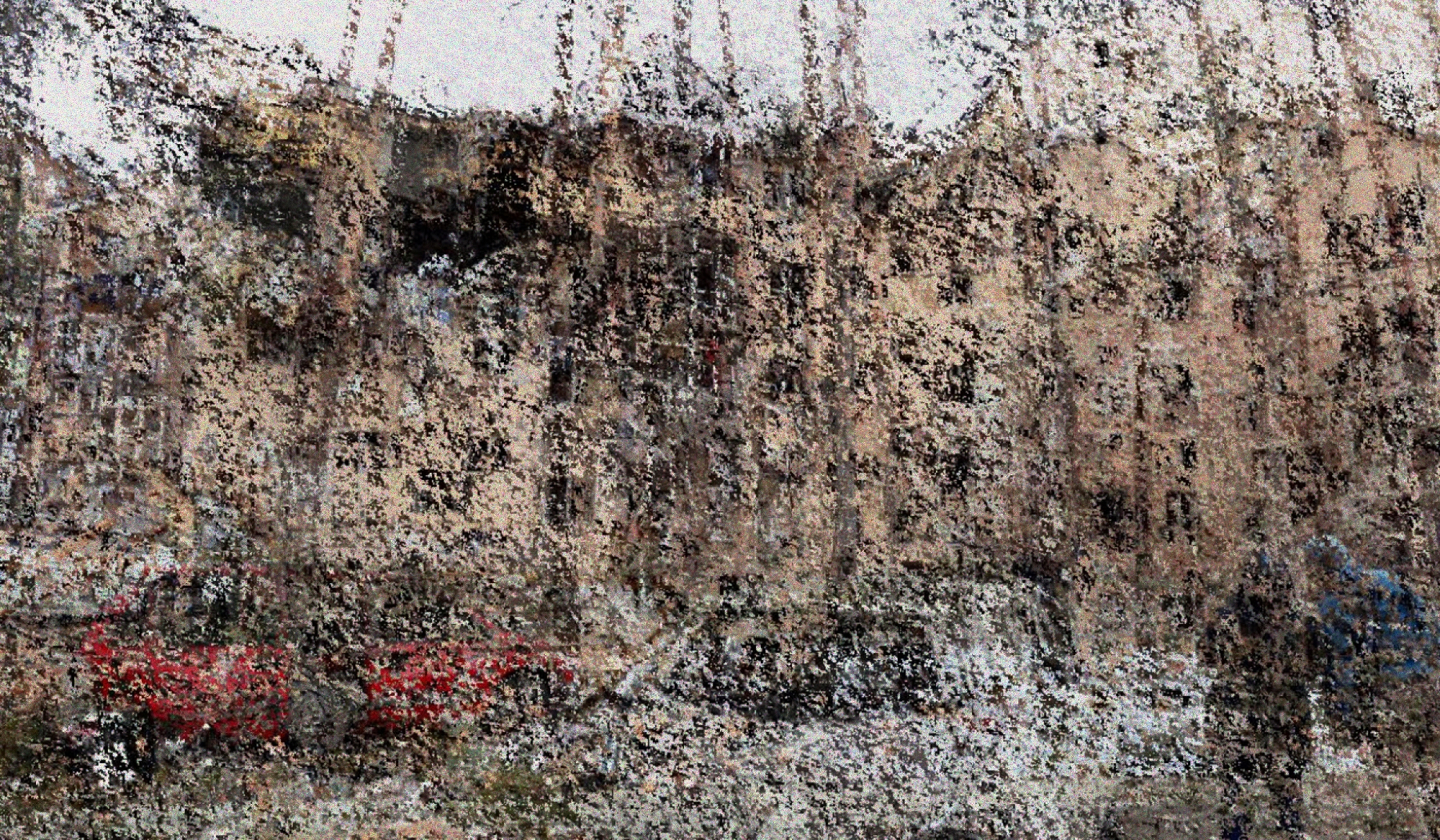

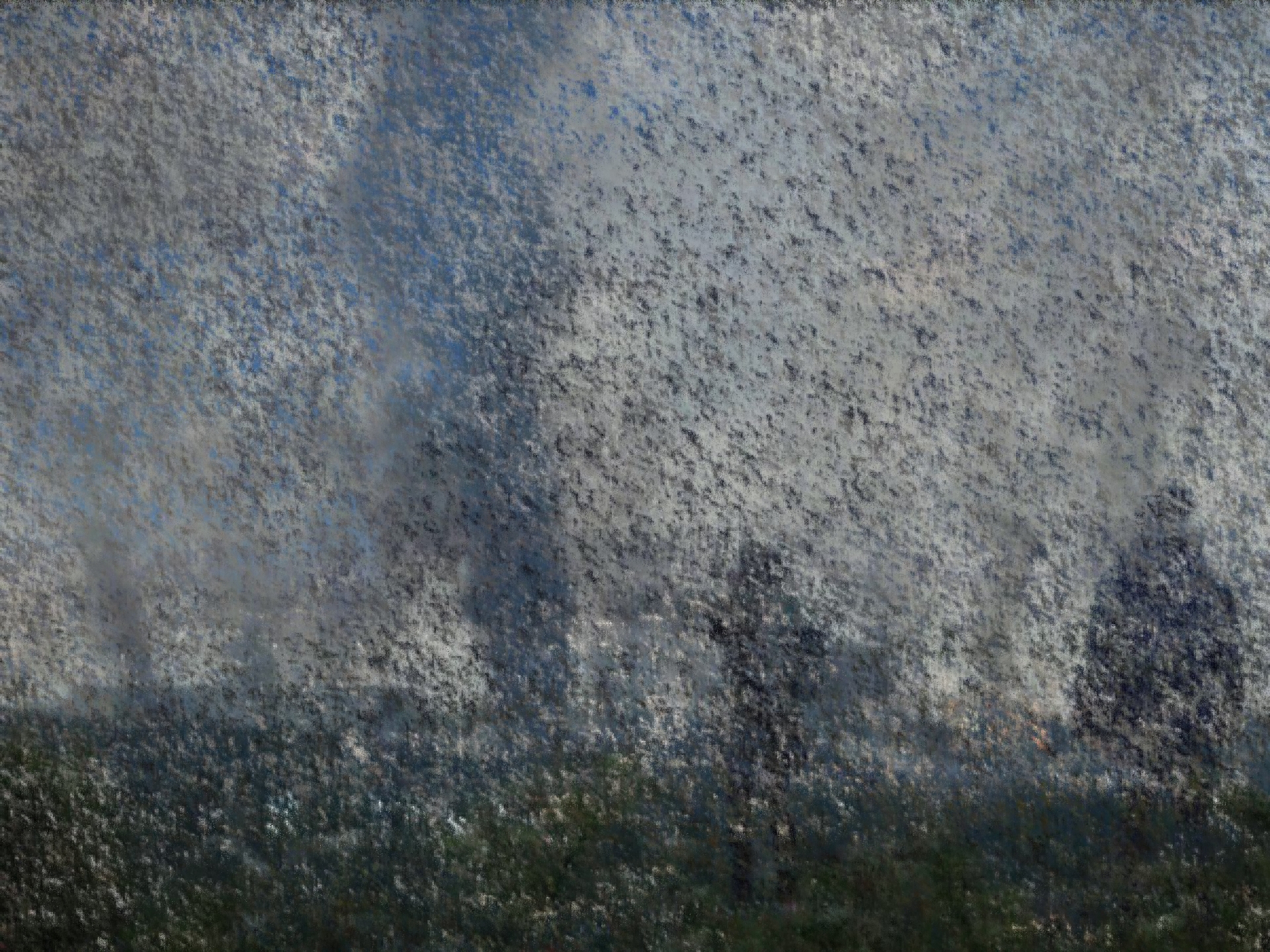
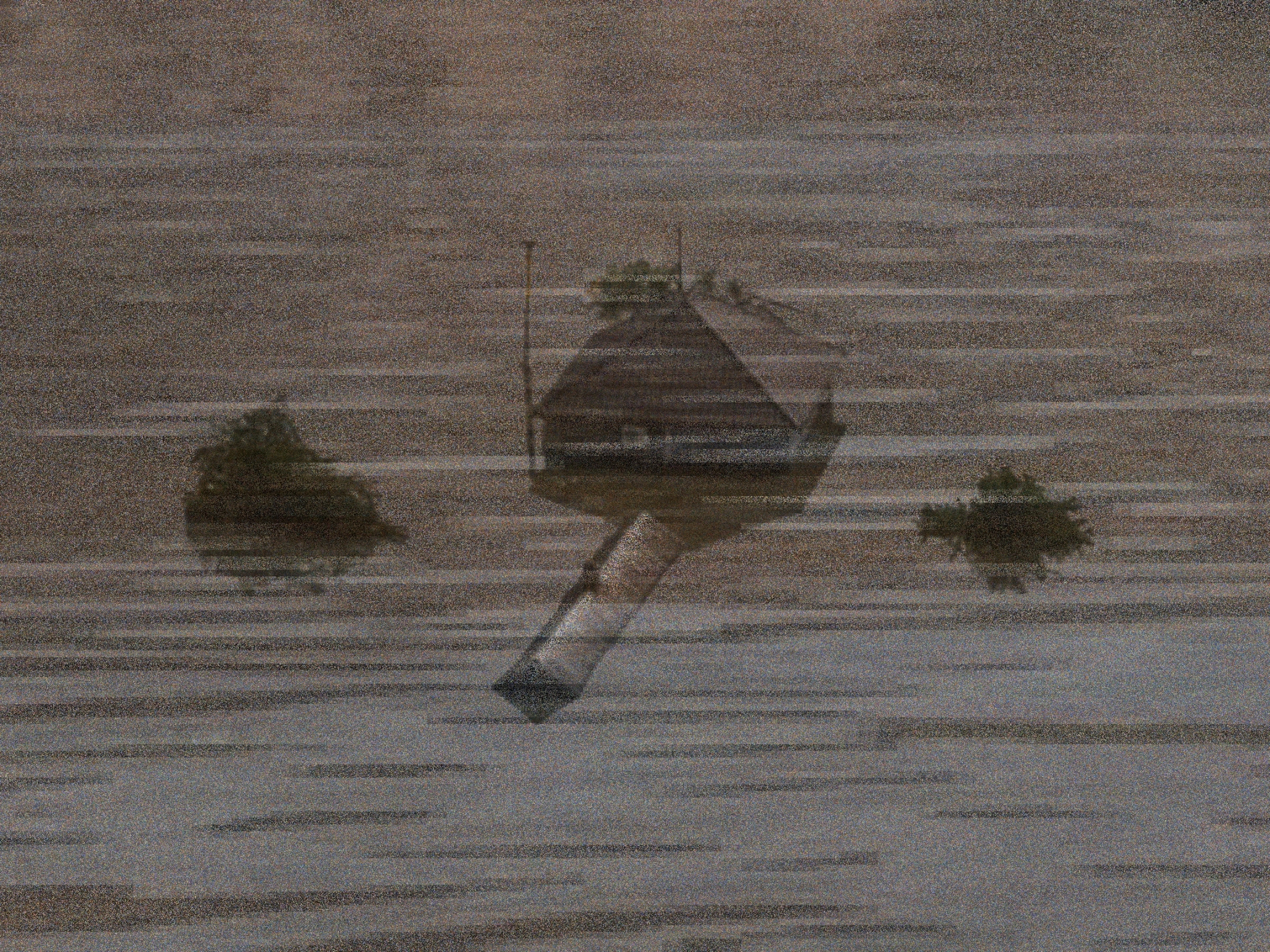
On June 6, 2023, at around 2:50 a.m., russian forces destroyed the Kakhovka Hydroelectric Power Station. The act is both a war crime and a severe environmental catastrophe, affecting thousands and flooding numerous settlements.